
Where Timeless Design Meets Measurable Returns
Join us as we unpack life-cycle costing and ROI of circular retrofits in luxury homes, translating elegant design choices, material loops, and low-carbon technologies into numbers owners trust. From capex realism to long-term comfort, we show how circularity safeguards value, reduces risk, and elevates everyday living while honoring the craftsmanship expected at the highest level.
Why Circular Retrofits Belong in High-End Estates
Luxury residences accumulate stories, materials, and expectations that outlast fashions, making circular retrofits a natural fit. By prioritizing reuse, reversible assemblies, and high-performance systems, owners preserve architectural integrity while stripping waste from lifetime costs. The result is quieter comfort, less downtime, and measured returns that compound through maintenance avoidance, energy efficiency, and stronger resale narratives appealing to discerning buyers, family offices, and lenders seeking resilience and credible sustainability without aesthetic compromises.
From Embodied Carbon to Enduring Value
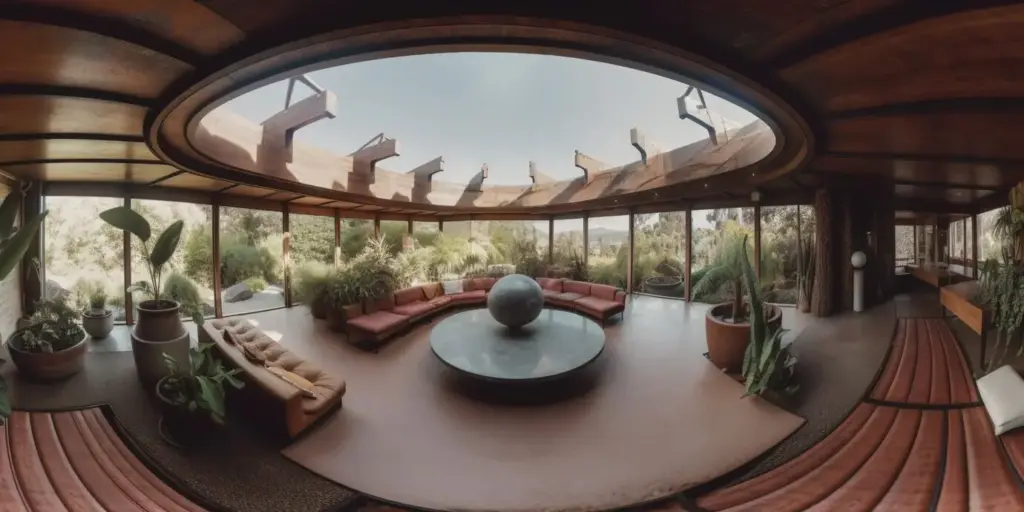
Choosing reclaimed stone, certified hardwood, and modular finishes reduces embodied carbon while anchoring a design language that ages gracefully. Over decades, life-cycle costing captures avoided replacements, lower insurance exposure from durable assemblies, and salvage values when components are resold or remanufactured, turning conscientious material choices into financial resilience owners can feel during ownership transitions, refinancing conversations, and discreet valuations by advisors focused on risk-adjusted returns and operational elegance.

Discerning Owners, Discreet Savings
In households where privacy and uninterrupted service matter, circular retrofits minimize intrusive works by enabling staged upgrades and swift component swaps. The savings do not shout; they accumulate quietly through cleaner ducts, sealed envelopes, and long-warranted finishes, reflected in lower staff overtime, fewer emergency callouts, and predictable budgets that let estate managers plan, report, and impress stakeholders without compromising art collections, acoustics, or the bespoke character of entertaining spaces.
Life-Cycle Costing Simplified for Estate Decisions
Translate complex capital, operating, and replacement cash flows into a single, comparable view owners and advisors can discuss in minutes. A robust model counts acquisition, installation, operations, maintenance, salvage, and residual values, then discounts them over realistic horizons. Sensitivity tests examine energy tariffs, carbon pricing, and inflation, while scenario ranges reflect occupancy patterns, climate risks, and manufacturer warranties, yielding decision clarity without spreadsheets dictating design or obscuring the emotional satisfaction of daily use.
ROI Signals Owners Actually Feel
Numbers persuade, yet lived experience seals decisions. Circular retrofits translate into warmth without drafts, silence without heaviness, and finishes that look new after busy seasons. These sensory wins coexist with lower running costs, fewer disruptions, higher appraised value, and fresh narratives for brokers and heirs. Measured indoor air quality, utility dashboards, and maintenance logs build confidence that the investment is working, while discreet sensors preserve privacy and aesthetics throughout the estate.


Design for Disassembly at Scale
Use mechanical fixings, reversible adhesives, and accessible fasteners behind impeccable finishes. Detailing thresholds, reveals, and service voids allows rapid swaps without scars. Installers follow annotated drawings that read like couture patterns, ensuring replacements can occur during travel windows. Over years, the ability to reconfigure rooms, technology, and art lighting without demolition preserves craftsmanship, protects collections, and safeguards budgets that prefer curation over reconstruction during every new season of life.
Reclaimed, Refined, Radiant
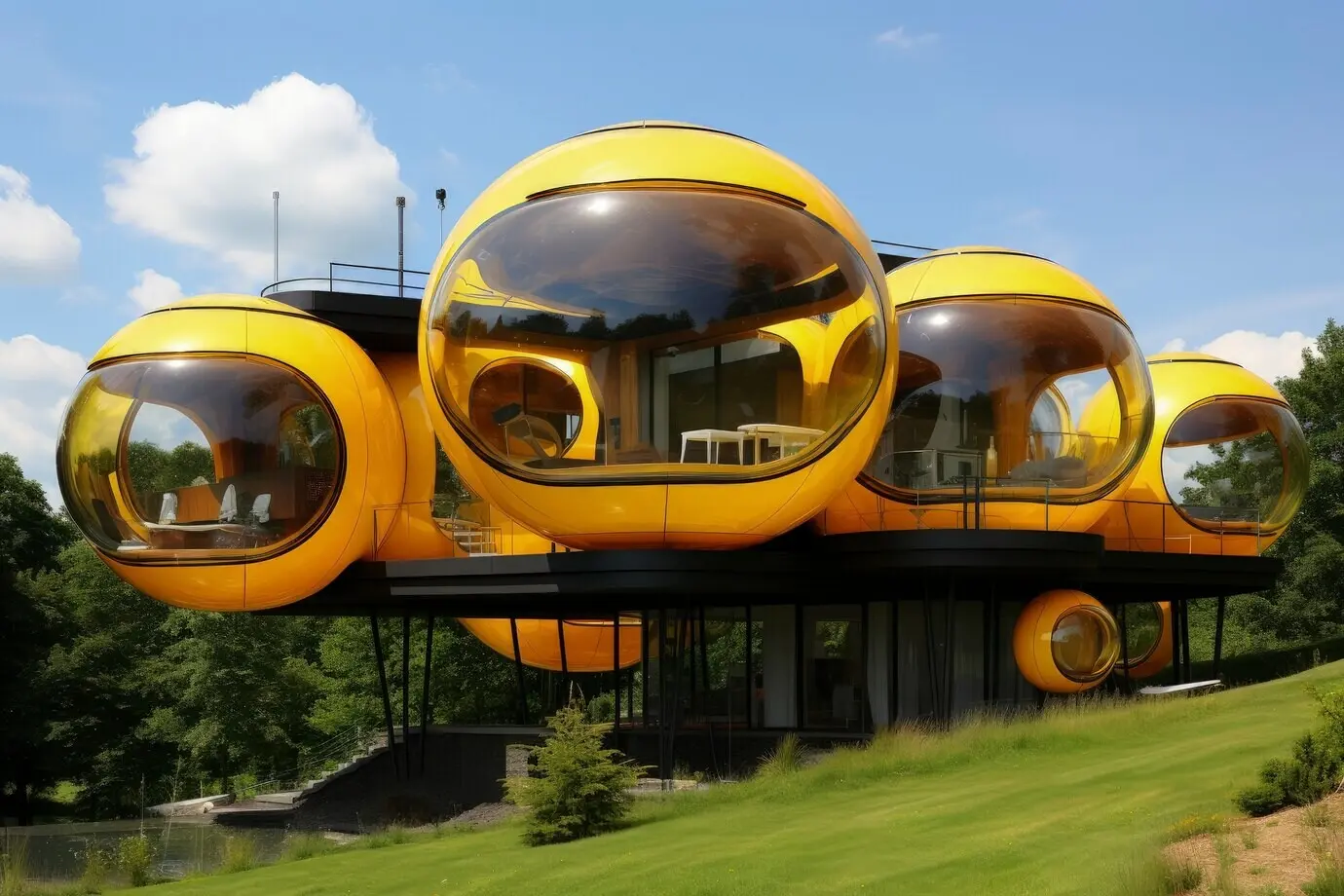
Select reclaimed timbers with documented grading, kiln schedules, and finish compatibility to achieve seamless surfaces beside new stock. Marble offcuts become inlays; antique mirrors gain new silvering; heritage bricks are cleaned and re-pointed with lime. Each act preserves memory while reducing lead times. Life-cycle costing captures avoided quarrying, reduced breakage risk, and resale value of surplus materials, modest line items that add up to quietly emphatic financial and aesthetic wins.
Numbers That Persuade Family Offices
Behind every elegant decision sits a succinct page with three charts, two footnotes, and a story. Life-cycle comparisons frame choices as trade-offs between certainty, flexibility, and beauty, not just kilowatt-hours and invoices. A hypothetical 12,000-square-foot coastal residence shows how staged envelope improvements, heat pumps, and modular interiors produce positive net present value within typical holding periods, while protecting art, reducing mold risk, and elevating guest experience through calmer acoustics and cleaner air.


Failure Modes You Can Predict
Build a register of components with expected lifespans, weak points, and inspection cadences. Track gaskets, sealants, and finish tolerances most prone to seasonal movement. Use thermal imaging and moisture mapping after storms, and schedule fast follow-ups. This proactive approach spares antiques and millwork, avoids hurried procurement at peak prices, and keeps the household tempo dignified, even when the weather or the market behaves with unexpected volatility.

Contracts That Protect
Service agreements should specify response times, loaner equipment, and refurbishment paths instead of replacements. Tie payments to uptime and performance metrics, not visits. Require digital logs and photographic documentation, and insist on transparent parts lists to support circularity. Insurers appreciate these structures, often acknowledging mitigated risks in premiums or deductibles, while family offices appreciate the governance trail that satisfies auditors and trustees without introducing friction into daily routines.

Data That Pays
Discrete sensors for leaks, temperature, and air quality feed dashboards tuned for executives: exceptions only, with thresholds agreed in advance. QR-coded components point to maintenance histories and spare availability. Over time, this record underpins stronger valuations and smoother insurance claims, while giving designers confidence to extend finish lifespans. The data remains private, encrypted, and quietly useful, guiding choices that feel like intuition but rest on consistent evidence.
Getting Started Without Renovation Shock
Begin with clarity, not demolition. Commission a gentle audit that respects rhythms of the household, then sequence improvements to align with travel, events, and trades already on site. Start at the envelope, target mechanicals next, and finish with interiors designed for reversible elegance. Engage artisans early, communicate standards, and document everything so future caretakers glide into stewardship with confidence, tasteful binders, and beautifully updated spaces that never felt like construction zones.

All Rights Reserved.